Notes From The CFA Society: "Navigating Sovereign Debt in A Multipolar World"
Sphaera Global Research 5.14.2026

On Tuesday, I attended the CFA Society of New York “Navigating Sovereign Debt in A Multipolar World” forum covering global debt risks, US exceptionalism, and geopolitical developments impacting Emerging Markets. Several experts from hedge funds, sell-side EM desks, and the IMF spoke about the state/future of emerging markets debt and equities, macro environment, and commodities.
Here Are Some Takeaways:
EM Surprisingly Resilient After Iran War:
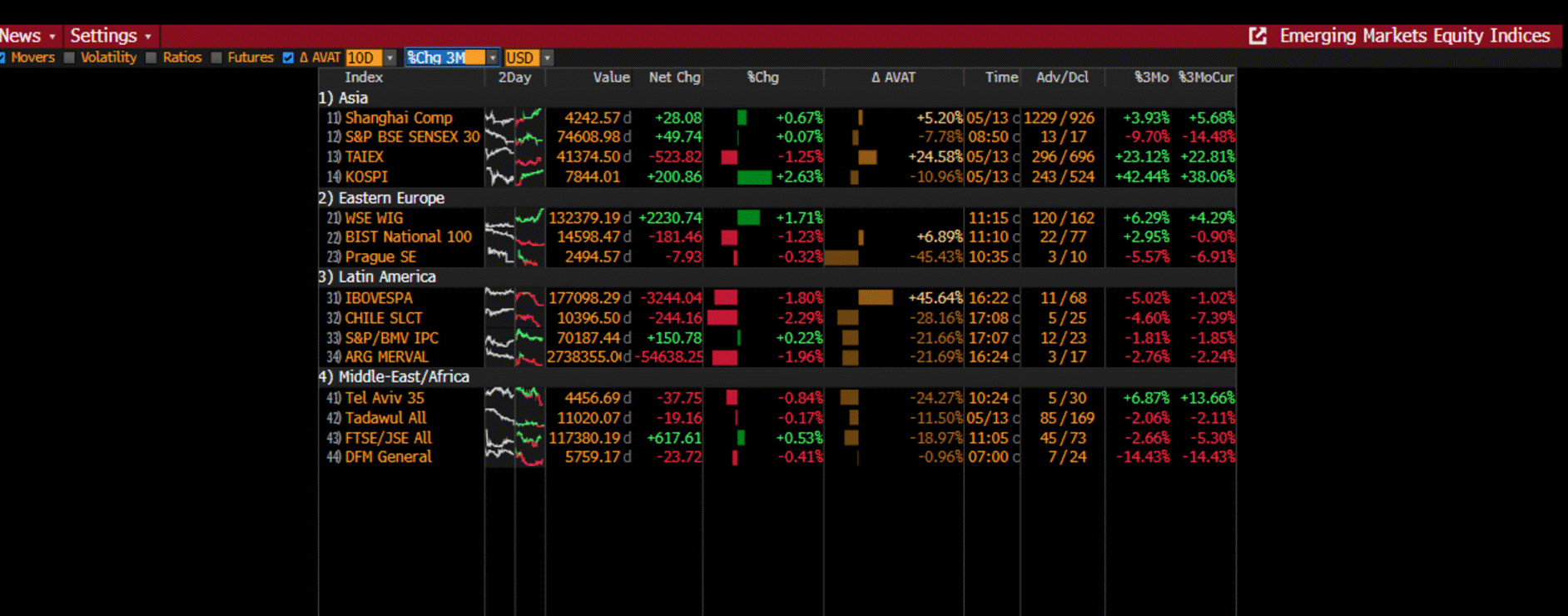
The first major theme covered in the conference was the surprising outperformance of many Emerging Markets. Speakers outlined the AI build out driving growth in Taiwan, Korea, Japan, and China. They shifted to discuss growth in other EMs beyond the AI picks and shovels story, outlining rapid growth in LatAm specifically Brazil and Argentina.
The overall message was surprise that the outbreak of geopolitical conflict did not see drawdowns across the board in markets considered more “risky.”
U.S. Safe Haven Status Reaffirmed, But Changing:
Panel members noted that the United States status as a safe haven for capital during times of crisis was reaffirmed post-Iran, but the outlook is more uncertain than it has been in some time. This is largely due to policy uncertainty like tariffs and partnership shifts. Despite the changing outlook, experts still said the U.S. is the premier safe haven, but commodities and sovereign debt/currencies are not irrelevant during times of crisis. Also, advanced economies have been more reliant on the U.S. (Treasuries) to pay increasing energy bills. If this continues, analysts said could see higher inflation and more bond selling.
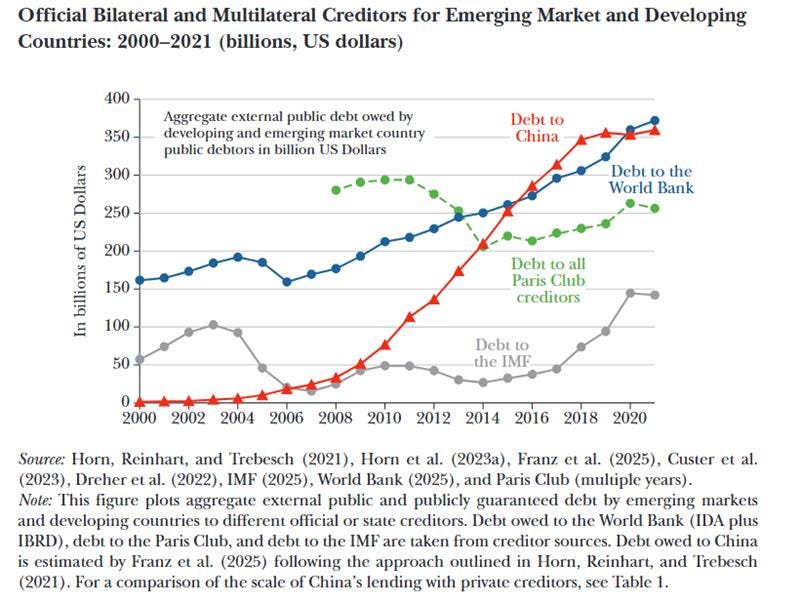
China as A Large Creditor for EM:
Another topic discussed was the disjointed nature of Emerging Markets lending and investment, with the spending largely fractured along geopolitical lines. Panelists argued that this has made restructuring and tracking debt more difficult, leading to mispricing and at times overleverage.
Venezuela Restructuring:
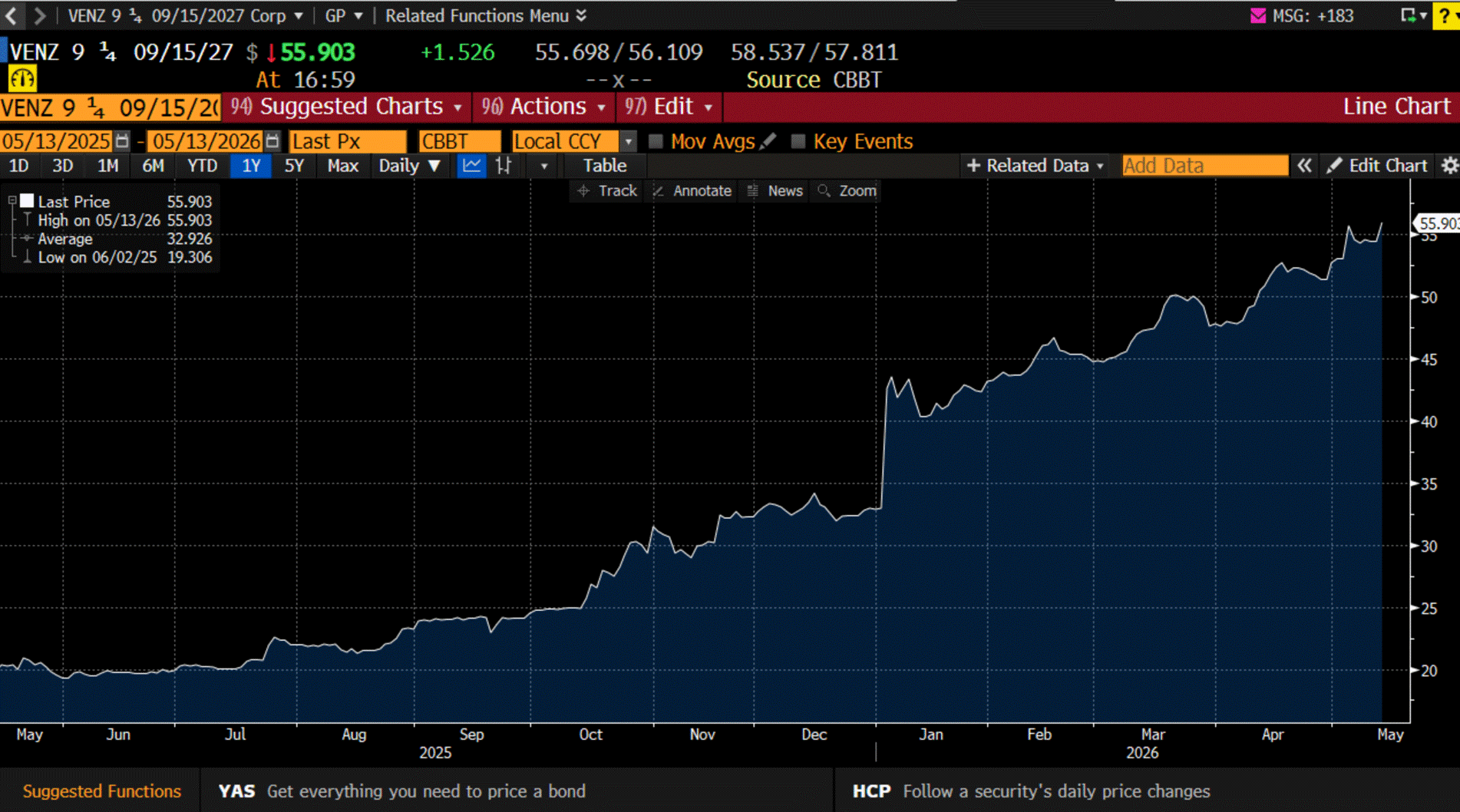
I posted a note on this recently, but wanted to re-iterate what was said during the panel (which happened right after the restructuring announcement). Panelists noted that restructuring reports were a first step and emphasized the geopolitical impact on global markets. They expected to see debt offerings from oil companies in the region, and noted the sanctions were a burden that could be removed by the Trump admin in the future.
An interesting point was made about the changing investor base in Venezuela. One investor noted that most of the debt is now held by non-banks. Namely, debt is increasingly held by hedge funds, non-bank financial institutions, and money managers. This means that investors are much more price sensitive and could be quick to unwind positions in the case of price changes.
Some Trading Takeaways:
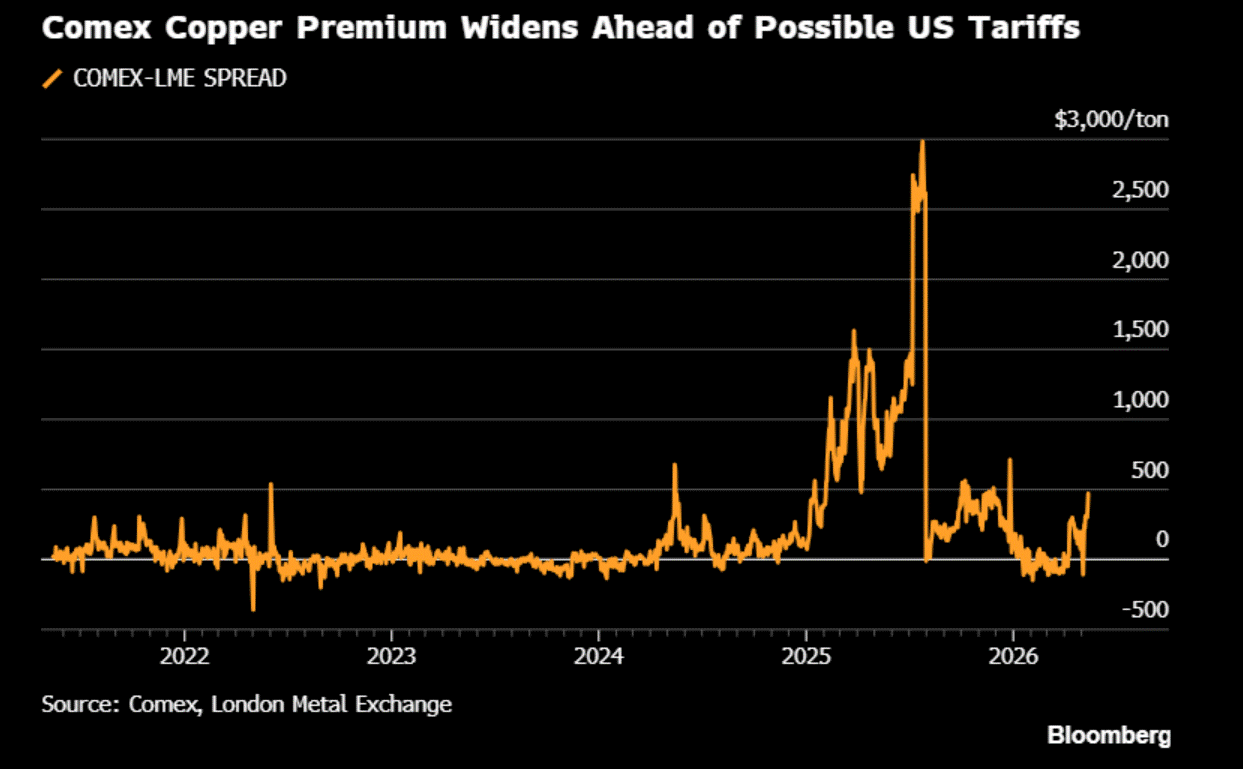
Copper - hedge fund portfolio managers in the meeting emphasized adding commodities to the portfolio, specifically copper. We own copper and miners as about 10% of the portfolio, this was reaffirmed by PMs, arguing that demand driven by data centers, robotics, and EVs would power a surge over the next 5 years. They also acknowledged supply shocks which could drive prices up.
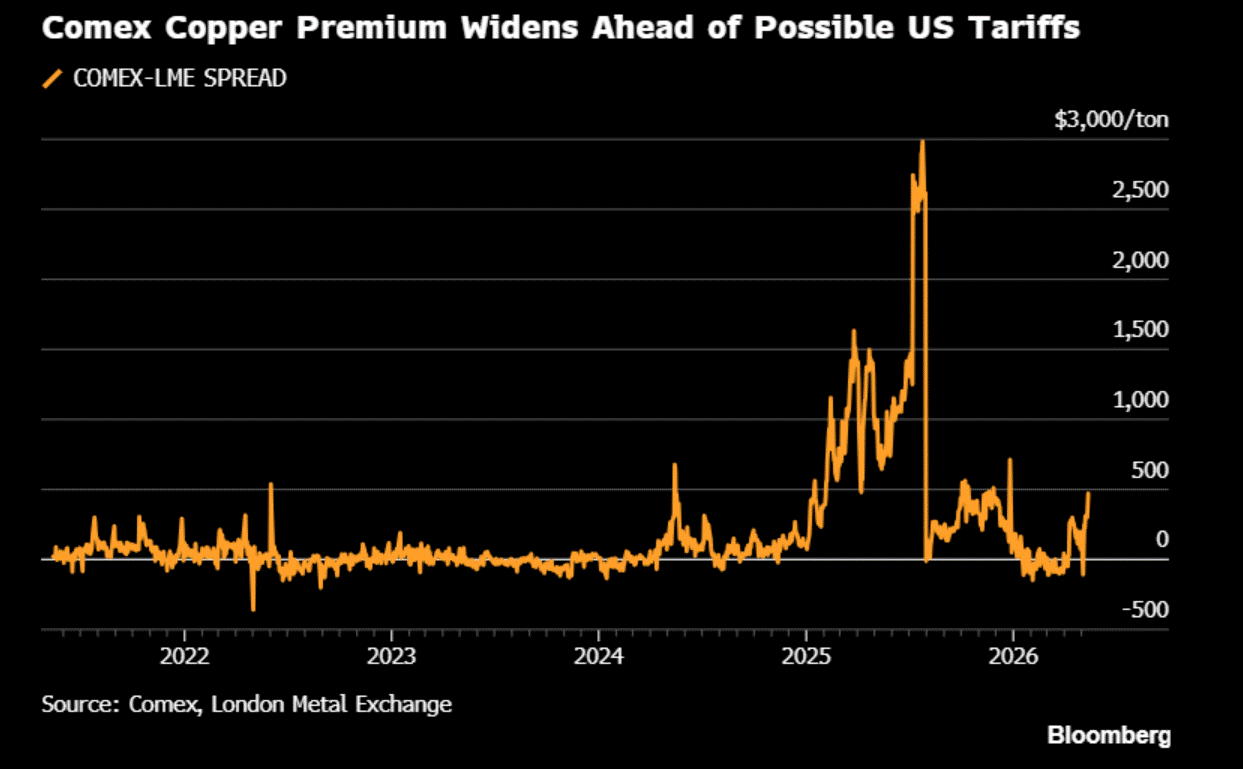
Copper Prices Starting to Rise Again. Egypt Local Currency - Recommended Egypt local currency due to some regulations loosening in capital markets from new reforms coming through the pipeline. Also discussed the return of tourism in the near future after the Iran War ends. - I’m less bullish on this one.
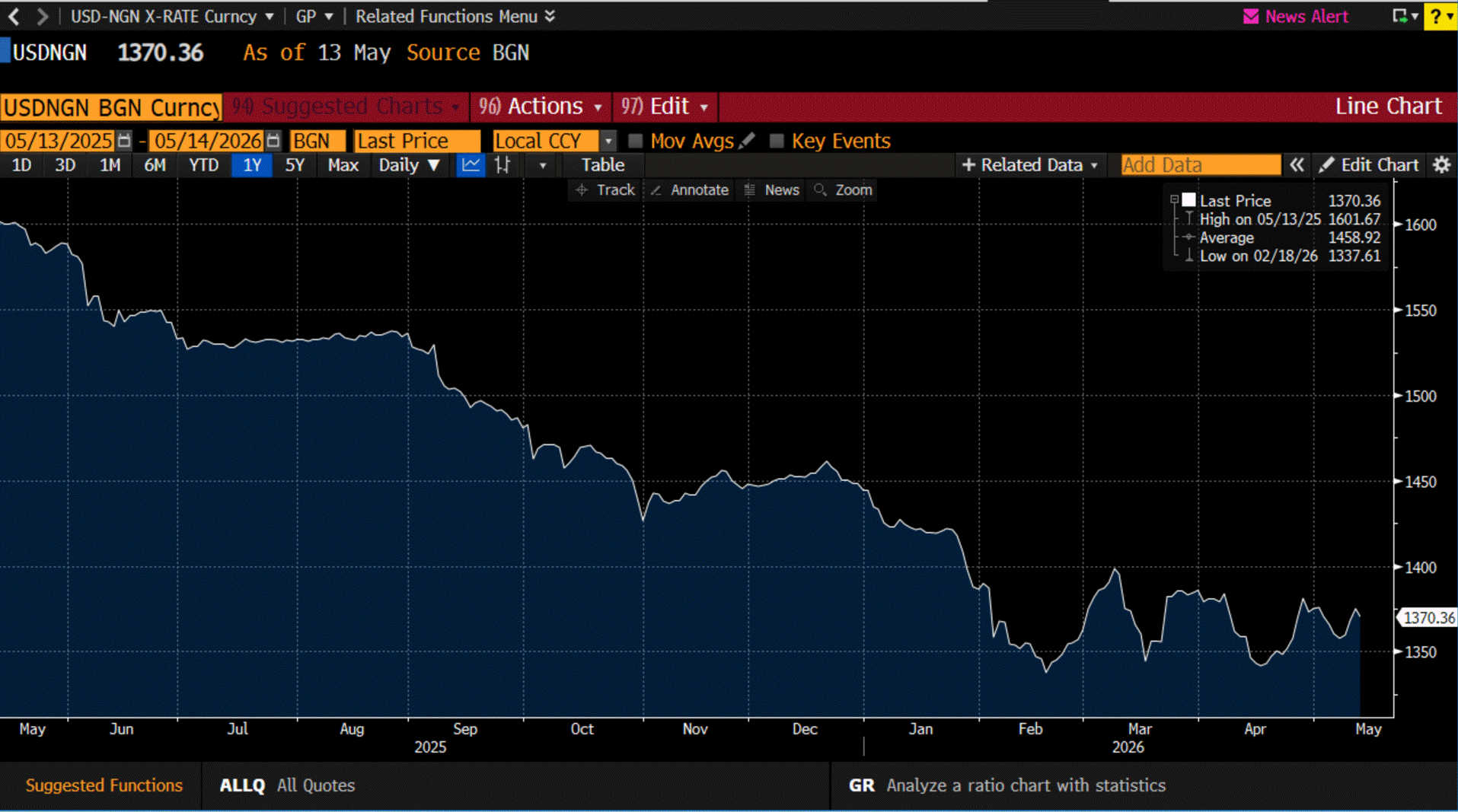
Nigeria currency - Many analysts supported my view about the Nigerian Naira appreciating relative to the USD. I have been bullish on this pair since the Iran War, and panelists agreed. We discussed how structural changes to the oil market means Nigeria will continue to see more investment and will forge greater partnerships as an oil alternative to the GCC. Bullish NGN/USD